
Seasonal menus for Australia
Last reviewed
In Australia, December to February is summer, so Christmas lunch is a hot-weather meal. These pages plan for that: a 13-dish Christmas menu that's mostly made ahead, 25 Christmas desserts, and 37 salads and barbecue dishes for the long weekends after it. For a traditional Christmas there are 107 more recipes, from roast potatoes and stuffing to pudding and mulled wine. Then it's back to school, with lunchbox ideas for term 1, and in February come Lunar New Year and Ramadan, with 96 and 88 recipes. Every dish has a full recipe page.
This summer
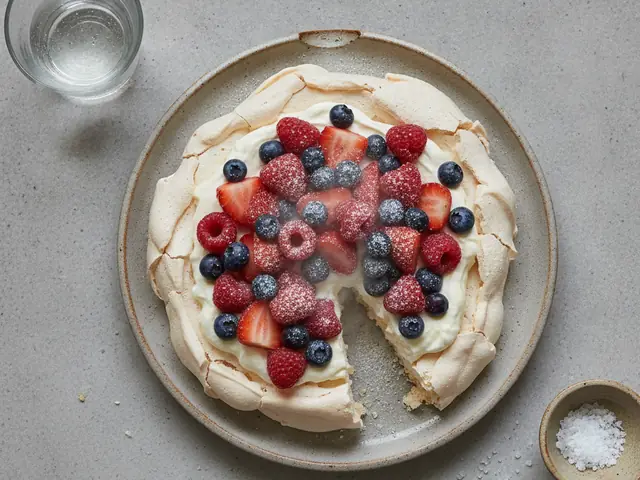
Christmas lunch for an Australian summer
13 dishes from prawn cocktail cups to pavlova, a plan that starts on Christmas Eve, and a shopping list you can scale to your table.
See the menu
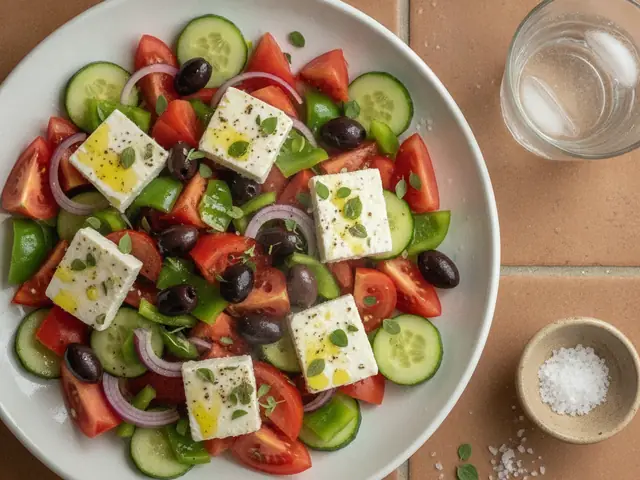
Summer salads and barbecue sides
24 salads and 13 dishes for the grill: which are filling enough for dinner, and which to make ahead.
See the menu
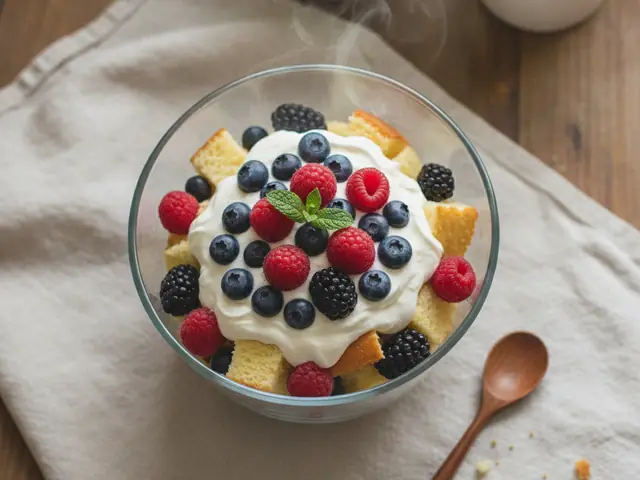
Christmas desserts for a hot day
25 desserts: pavlova and the other classics, ones to make the day before, frozen ones for the afternoon, and sweet gifts.
See the menu
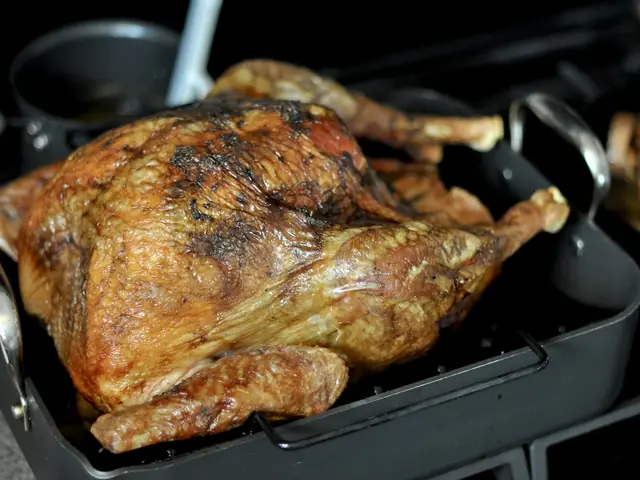
Christmas recipes, from roast potatoes to mulled wine
107 recipes for a traditional Christmas: mains, sides, starters, puddings and cakes, Christmas breakfast and drinks.
See the menu
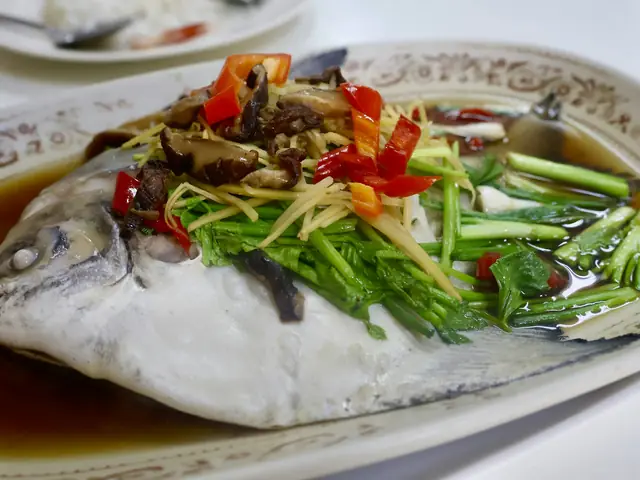
Lunar New Year food, 6 February 2027
96 recipes for Chinese New Year, Vietnamese Tết and Korean Seollal: whole fish, dumplings, noodles, rice cakes and sweets.
See the menu
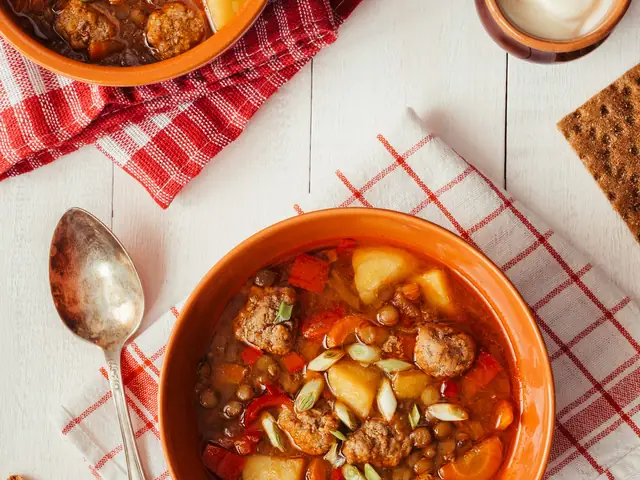
Ramadan recipes for iftar, suhoor and Eid
88 recipes for February and March 2027: soups and starters to break the fast, suhoor breakfasts, and biryani and sweets for Eid.
See the menu
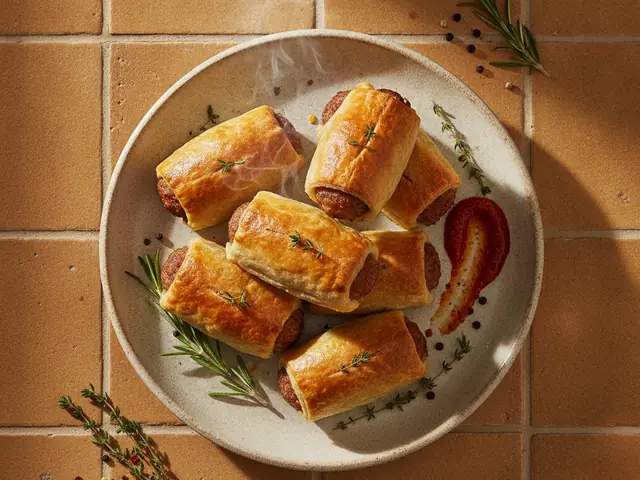
School lunchbox ideas for term 1
36 nut-free ideas for the new school year: wraps and rolls, fritters and muffins to bake ahead, and snacks for recess.
See the menu
How we put the menus together
The menus are built from recipes already in the PlanNplate app, so anything you like the look of is a tap away. On the Christmas lunch and salad pages, a dish only makes the cut if we could work out its nutrition with confidence: every ingredient matched to an Australian food, with stand-in foods supplying less than 5% of its energy. The desserts page includes a few popular desserts we couldn't, and shows figures only for the rest. Where a page uses a rule, the page says what it is. The salads page, for example, takes every salad in the library that isn't a breakfast or a dessert. The barbecue list is picked by hand from dishes the app's method says to grill.
Summer cooking is mostly about keeping the kitchen cool and the food cold. The menus favour dishes made the day before, slow roasts that look after themselves, and anything that can go on the barbecue. Each page also says which dishes need the most care on a hot day, following Food Standards Australia New Zealand's advice on keeping perishable food at 5°C or colder.
Questions
When is summer in Australia?
Summer runs from December to February, so Christmas and New Year fall in the hottest part of the year. That's why these menus lean on cold starters, salads, the barbecue and desserts made the day before.
Where do the nutrition figures on the seasonal pages come from?
Each dish's ingredients are matched to foods in Food Standards Australia New Zealand's Australian Food Composition Database, added up for the whole recipe and divided by the serves. The same method is used for every recipe on this site.
Are the seasonal dishes in the PlanNplate app?
The Christmas lunch, dessert, salad and lunchbox dishes are all in the app's recipe library. The Christmas recipes, Lunar New Year and Ramadan pages are different: those are PlanNplate's versions of chefs' recipes, each credited on its page, and you save one to the app by sharing its page to PlanNplate. The Christmas lunch and salad pages use only dishes with published nutrition figures; the desserts page also has a few favourites without them, such as sticky date pudding, and leaves those out of its table. 5 dishes appear on both the lunch and salad pages: Grilled Halloumi Skewers, Grilled Asparagus, Greek Salad, Creamy Potato Salad, Classic Coleslaw.
Sources
- Australian Food Composition Database – Release 3, Food Standards Australia New Zealand, CC BY 4.0 (energy and nutrients per 100 g of each ingredient)
- AUSNUT 2023 – Food measures, Food Standards Australia New Zealand, CC BY 4.0 (the weight of a medium onion, a lemon, an egg and other counted ingredients)
- Food safety basics, Food Standards Australia New Zealand (food safety advice on the seasonal pages)
How we turn these sources into the numbers on this page: how we calculate.