
Christmas lunch ideas for an Australian summer
Last reviewed
Keep it cool and do most of it ahead. Make the pavlova, the trifle and the potato salad on Christmas Eve, put two slow roasts in one oven on Christmas morning, and leave the last hour for crispy potatoes and the barbecue. Below are the 13 dishes, a plan from Christmas Eve to the table, and a shopping list that scales to however many you're feeding.
The menu
A menu built for a hot day: prawns and halloumi to start, salads that are happy to sit on the table, and pavlova rather than a steaming pudding. Tap any dish for the full recipe, with ingredients you can scale and the method step by step.
Starters
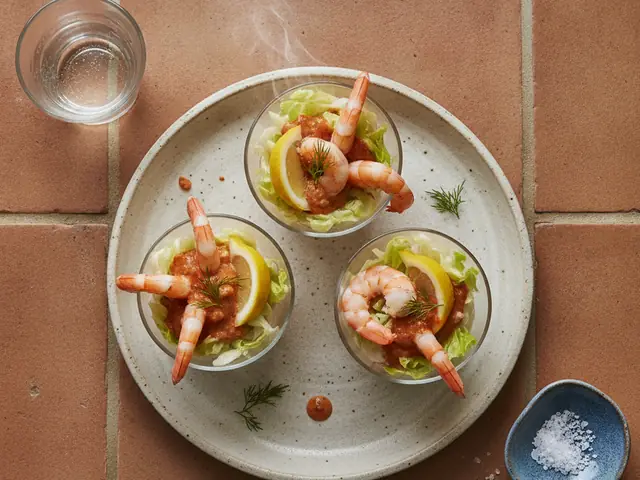
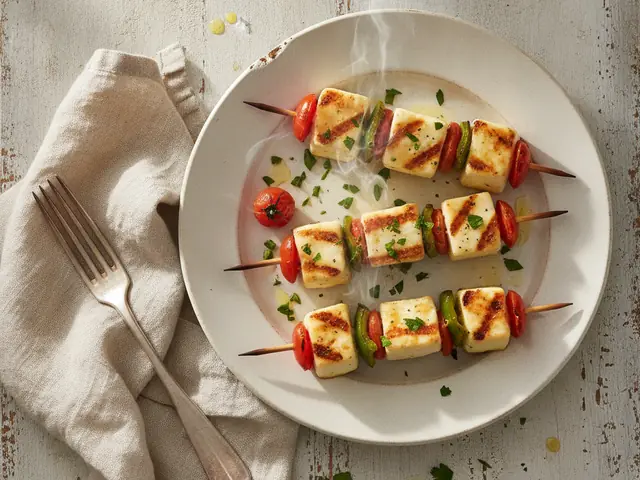
Something cold and something off the barbecue, so nobody waits on the oven.
Mains
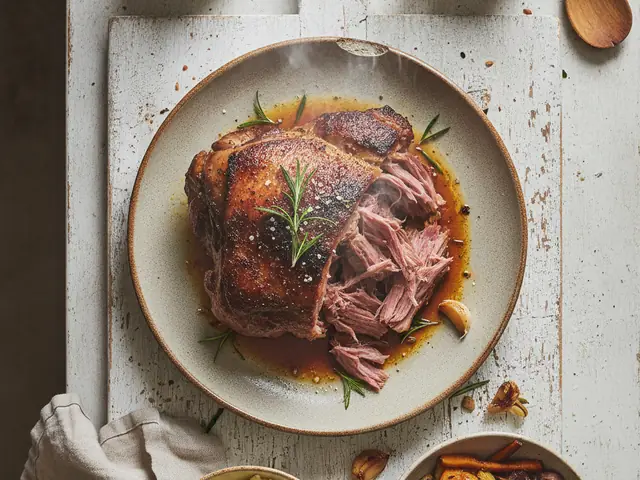
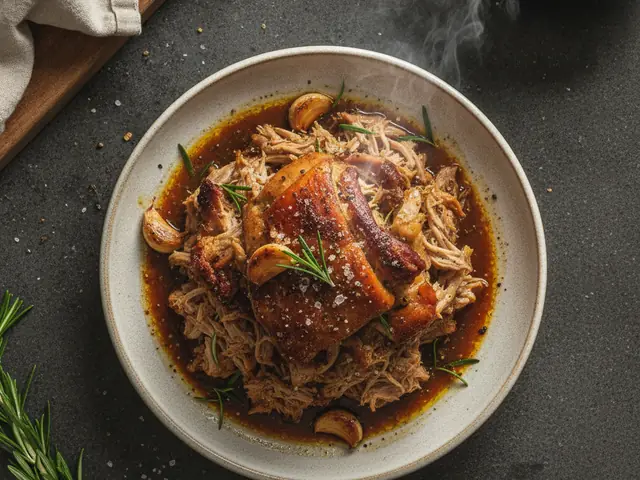
Two slow roasts that cook at the same temperature, so one oven does both.
Sides
Two hot from the oven, one from the barbecue, and three cold salads you can make in the morning.
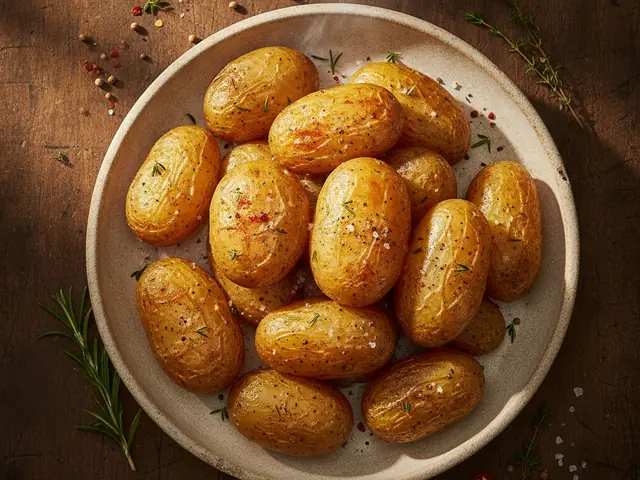 Vegetarian
Crispy Roast Potatoes
With potato and rosemary
45 min
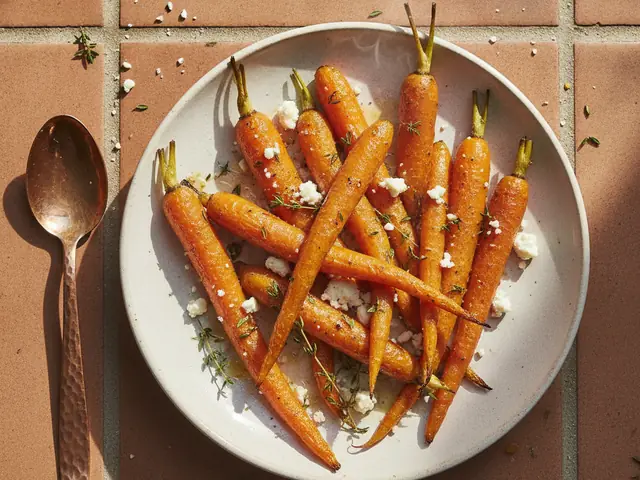 Vegetarian
Honey Roasted Carrots
With carrot, honey and thyme
35 min
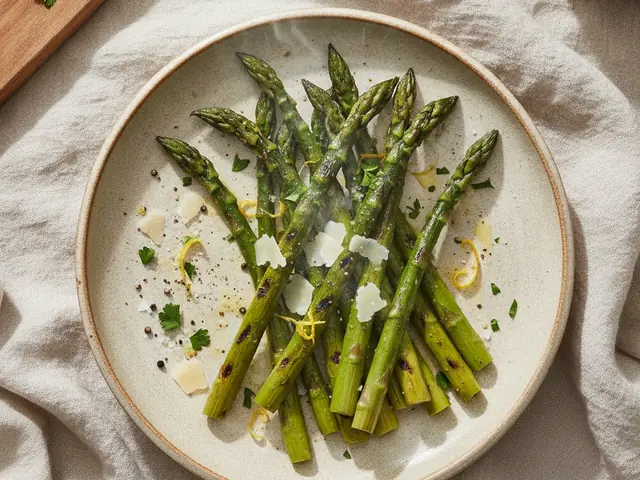 Vegetarian
Grilled Asparagus
With asparagus and lemon
15 min
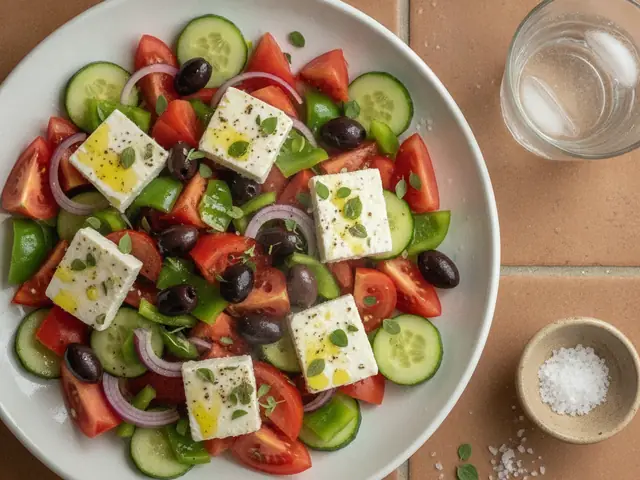 Vegetarian
Greek Salad
With tomato, cucumber and feta
15 min
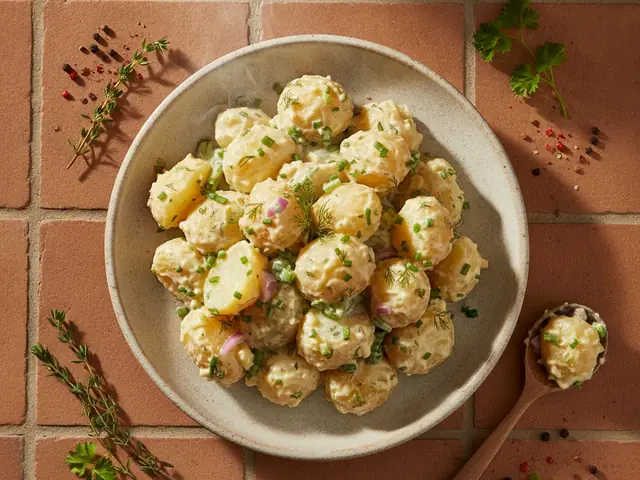 Vegetarian
Creamy Potato Salad
With potato, eggs and mayonnaise
30 min
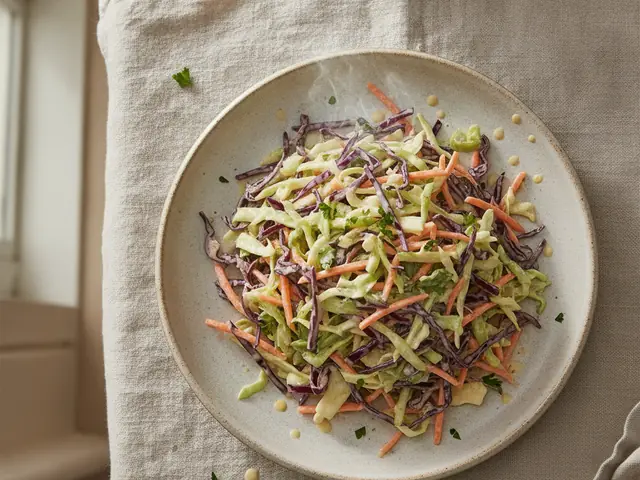 Vegetarian
Classic Coleslaw
With cabbage, carrot and mayonnaise
15 min
Desserts
Two made the day before, and a fruit salad for the hottest afternoons.
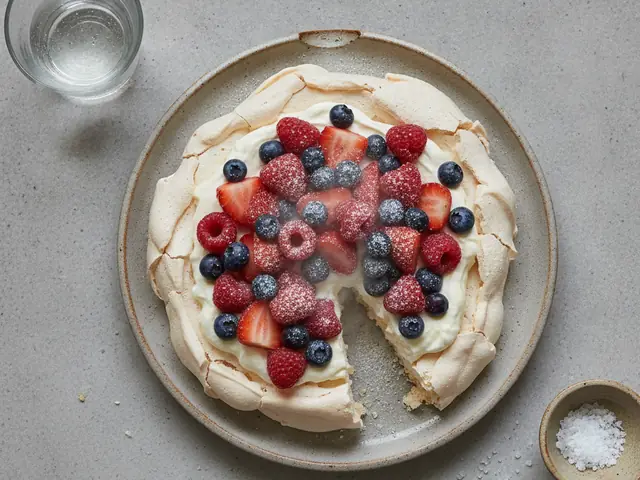
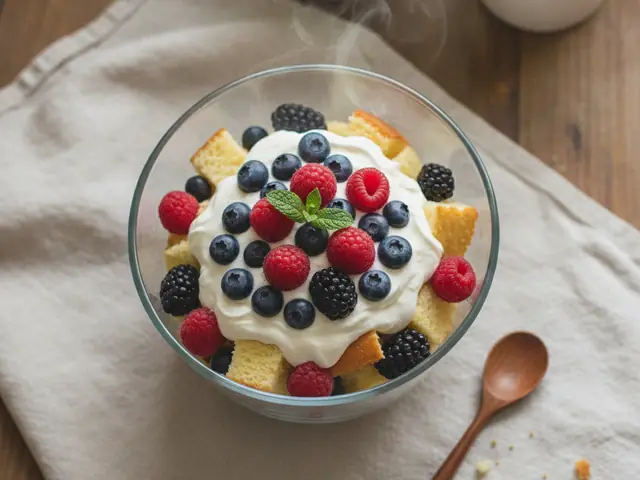
The make-ahead plan
Each step below comes from the dish's own method in the app, with its oven temperature and time. Most of the work happens before anyone arrives.
Christmas Eve
- Pavlova. Bake the base at 120°C for 75 minutes, then leave it to cool in the oven. Whip the cream and add the berries on the day, just before serving, so the base stays crisp.
- Berry Trifle. Layer the juice-soaked sponge, berries and custard, then top with cream. It needs at least 2 hours in the fridge, so the night before is easiest. Keep it covered.
- Creamy Potato Salad. Boil the potatoes and eggs, fold them through the mayonnaise, mustard and dill dressing, and chill. It's served cold.
Christmas morning
- Slow-Roasted Lamb Shoulder. Both roasts cook covered at 160°C for 2 hours, then uncovered for 15 minutes, so they share the oven. Put them in about 3 hours before you want to eat. They come out to rest while the oven heats up for the potatoes.
- Slow-Roast Pork Shoulder. Goes in with the lamb, on the onion and garlic with the stock.
- Classic Coleslaw. Shred the cabbage, grate the carrots, toss with the dressing and chill.
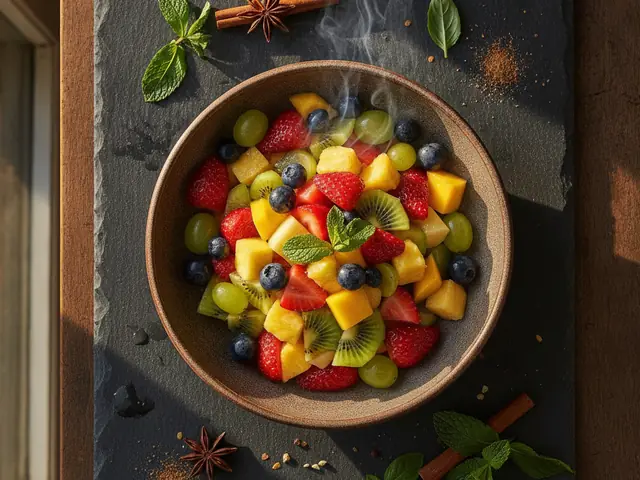
- Fresh Fruit Salad. Chop the fruit, squeeze over the lime and chill. Add the mint when you serve.
- Prawn Cocktail Cups. Mix the cocktail sauce and shred the lettuce. Keep the prawns in the fridge until you assemble the cups.
- Greek Salad. Chop the tomatoes, cucumber and onion. Keep the oil, oregano and feta for serving.
The last hour
- Crispy Roast Potatoes. Parboil for 8 minutes, rough up the edges, then roast in hot oil at 220°C for 35 minutes, turning once.
- Honey Roasted Carrots. The recipe roasts them at 200°C for 30 minutes. With one oven, put them on another shelf with the potatoes and check them early, as the higher heat cooks them faster.
- Grilled Halloumi Skewers. These go on the barbecue, which keeps the oven free. Grill until the halloumi is golden.
- Grilled Asparagus. Also on the barbecue: about 5 minutes, then a squeeze of lemon.
At the table
Spoon the prawns and sauce over the lettuce, dress the Greek salad and lay the feta on top, and finish the pavlova with cream and berries.
Shopping list
Untick anything you're not making. Each recipe is scaled to the number of serves you choose.
13 dishes, 8 serves each.
Fruit and veg
- apple2
- asparagus800 g
- banana2
- berries550 g
- cabbage400 g
- capsicum2
- carrot15
- cherry tomatoes200 g
- cucumber2
- fruit juice80 ml
- garlic11 cloves
- grapes300 g
- lemon6
- lettuce200 g
- lime1
- melon400 g
- mint6 g
- onion2
- orange2
- potato3.8 kg
- red onion1
- spring onion2
- tomato6
- zucchini2
Meat and seafood
- cooked prawns600 g
- lamb shoulder1.6 kg
- pork shoulder2 kg
Dairy
- cream580 ml
- custard670 g
- feta300 g
- halloumi500 g
Bakery
- sponge cake400 g
Pantry
- cornflour5 g
- honey80 g
- ketchup30 g
- mayonnaise300 g
- mustard20 g
- olive oil160 ml
- paprika5 g
- salt14 g
- sugar230 g
- vegetable oil120 ml
- vegetable stock670 ml
- vinegar25 ml
- Worcestershire sauce10 ml
Other
- dill4 g
- egg white4
- eggs4
- fennel4 g
- olives120 g
- oregano8 g
- rosemary10 g
- thyme4 g
Counted items (lemons, onions, eggs) are rounded up to whole ones. Salt and pepper aren't listed where the recipe doesn't measure them.
Energy and protein per serve
For anyone keeping an eye on it, here's each dish per serve, worked out from Australian food composition data. Most people take a smaller helping of each dish on the day.
Show the table
| Dish | Energy | Protein |
|---|---|---|
| Prawn Cocktail Cups | 745 kJ | 20.9 g |
| Grilled Halloumi Skewers | 1,121 kJ | 14.4 g |
| Slow-Roasted Lamb Shoulder | 1,214 kJ | 39 g |
| Slow-Roast Pork Shoulder | 1,177 kJ | 49.6 g |
| Crispy Roast Potatoes | 1,054 kJ | 5.2 g |
| Honey Roasted Carrots | 526 kJ | 1.2 g |
| Grilled Asparagus | 229 kJ | 2.6 g |
| Greek Salad | 925 kJ | 7.9 g |
| Creamy Potato Salad | 862 kJ | 7 g |
| Classic Coleslaw | 481 kJ | 1 g |
| Pavlova | 979 kJ | 2.7 g |
| Berry Trifle | 1,750 kJ | 7.6 g |
| Fresh Fruit Salad | 439 kJ | 1.7 g |
Keeping it safe on a hot day
Christmas in Australia often means a warm kitchen and a table outside. Food Standards Australia New Zealand describes 5–60°C as the temperature danger zone, where bacteria can grow quickly, and advises keeping perishable food at 5°C or colder. Food that has been out for under 2 hours can go back in the fridge; between 2 and 4 hours, eat it; after 4 hours, throw it away. On this menu, that matters most for the prawns, the creamy potato salad, the coleslaw and the trifle. Keep them in the fridge until people are ready to eat, and keep perishable leftovers in the fridge and use them within a few days.
Questions
What can I make ahead for Christmas lunch?
On this menu, the pavlova base, the trifle and the potato salad can all be made on Christmas Eve. The slow-roasted lamb shoulder and slow-roast pork shoulder go into the oven together on Christmas morning at 160°C, which leaves the last hour for the roast potatoes and whatever is on the barbecue.
How much lamb or pork do I need per person?
The slow-roasted lamb shoulder recipe uses 1.2 kg of lamb shoulder for 6 serves, about 200 g raw per serve. The pork recipe uses 250 g of pork shoulder per serve. If you're serving both, you'll need less of each.
Can I make this a vegetarian Christmas lunch?
10 of the 13 dishes are tagged vegetarian in the app: Grilled Halloumi Skewers, Crispy Roast Potatoes, Honey Roasted Carrots, Grilled Asparagus, Greek Salad, Creamy Potato Salad, Classic Coleslaw, Pavlova, Berry Trifle, Fresh Fruit Salad. With the grilled halloumi skewers as the main, that's a full meat-free lunch. Some cheeses, including halloumi and feta, can be made with animal rennet, so check the label if that matters to you.
How long can Christmas food sit out on a hot day?
Food Standards Australia New Zealand's advice is to keep perishable food at 5°C or colder. If cooked or perishable food has been out for less than 2 hours, it can go back in the fridge. Between 2 and 4 hours, eat it straight away, and after 4 hours, throw it away. Prawns, the potato salad, coleslaw and trifle are the dishes on this menu to bring out last and put away first.
Sources
- Australian Food Composition Database – Release 3, Food Standards Australia New Zealand, CC BY 4.0 (energy and nutrients per 100 g of each ingredient)
- AUSNUT 2023 – Food measures, Food Standards Australia New Zealand, CC BY 4.0 (the weight of a medium onion, a lemon, an egg and other counted ingredients)
- Food safety basics, Food Standards Australia New Zealand (the 5–60°C danger zone and how long perishable food can stay out of the fridge)
How we turn these sources into the numbers on this page: how we calculate.