
School lunchbox ideas for the new school year
Last reviewed
A good lunchbox has something from each food group, stays cold until lunch and comes home empty. Here are 36 ideas from the PlanNplate app to rotate through the term: sausage rolls, Vietnamese fresh spring rolls and chicken shawarma wrap for the main, fritters and muffins to bake ahead, and snacks like devilled eggs and kale chips. None of the recipes lists nuts among its ingredients.
Wraps, rolls and quesadillas
The main event: things that are eaten cold, with hands. Pack them next to a frozen water bottle or a freezer brick so they stay cold until lunch.
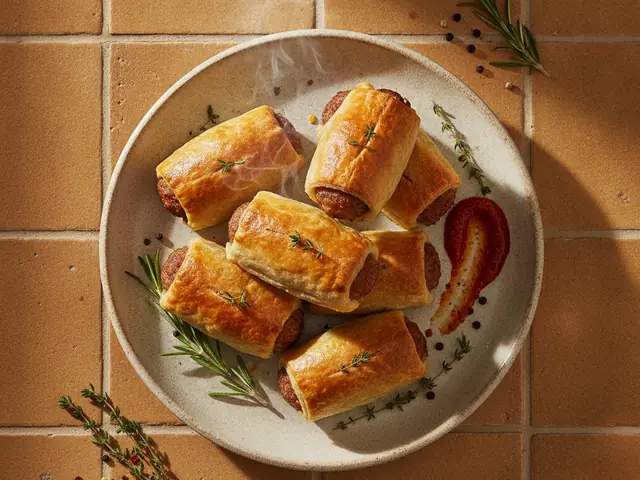
Sausage Rolls
With sausage mince, puff pastry and egg
40 min
 Vegan
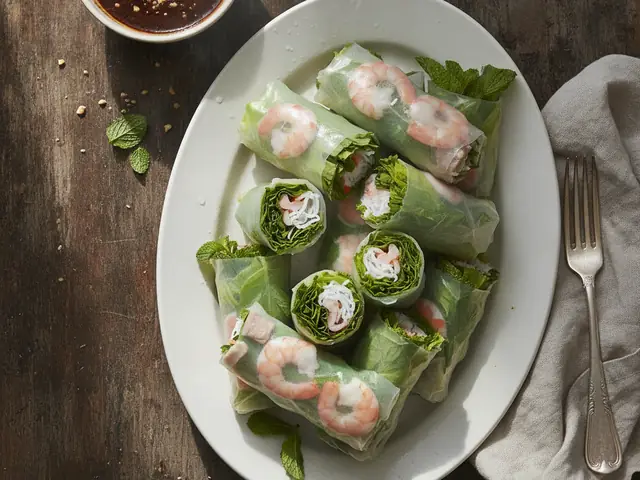
Vietnamese Fresh Spring Rolls
With cucumber, carrot and rice paper
30 min
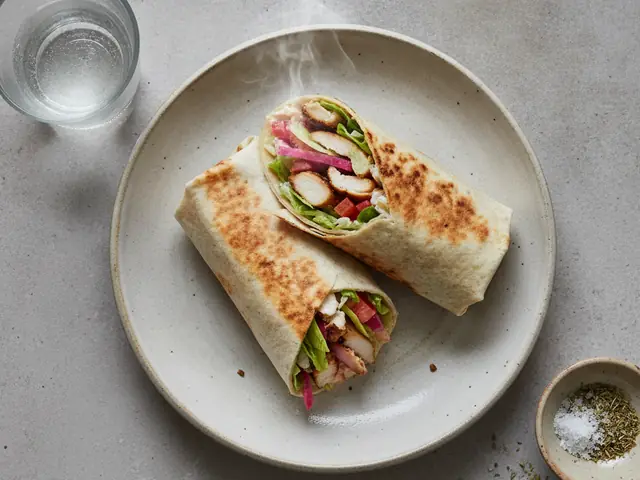
Chicken Shawarma Wrap
With chicken thigh, flatbread and mixed salad
40 min
 Vegan
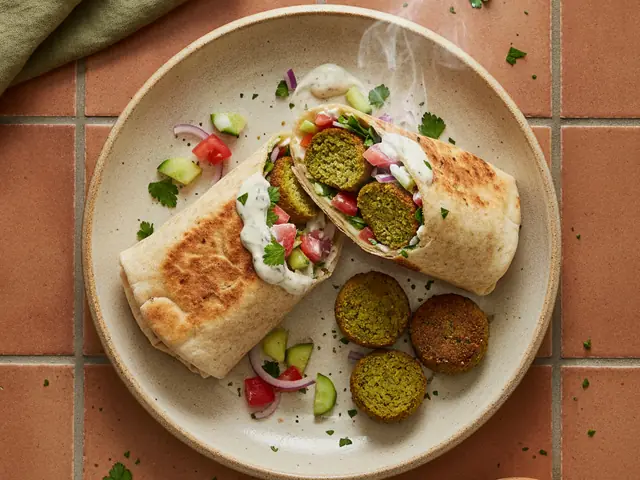
Falafel Wrap
With chickpeas, flatbread and mixed salad
45 min
 Vegetarian
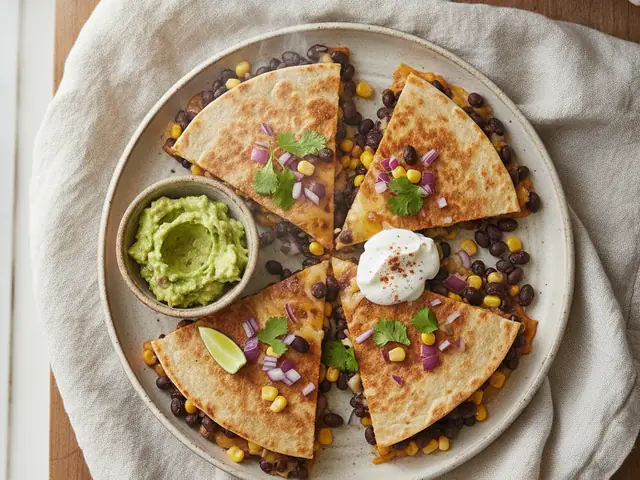
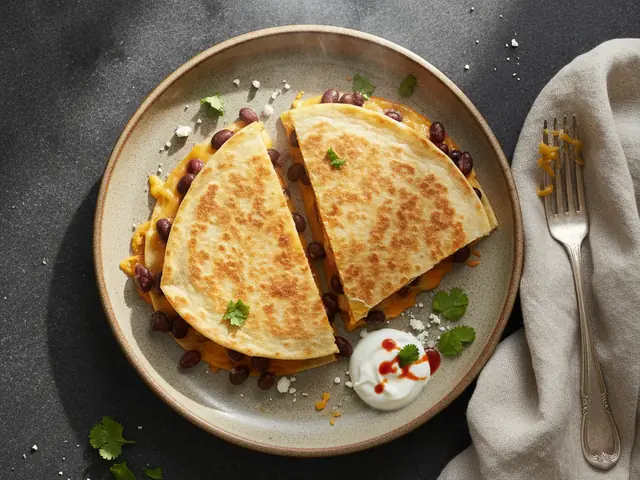
Black Bean Quesadilla
With black beans, capsicum and tortillas
20 min
 Vegetarian
Cheese & Bean Quesadillas
With refried beans, capsicum and tortillas
20 min
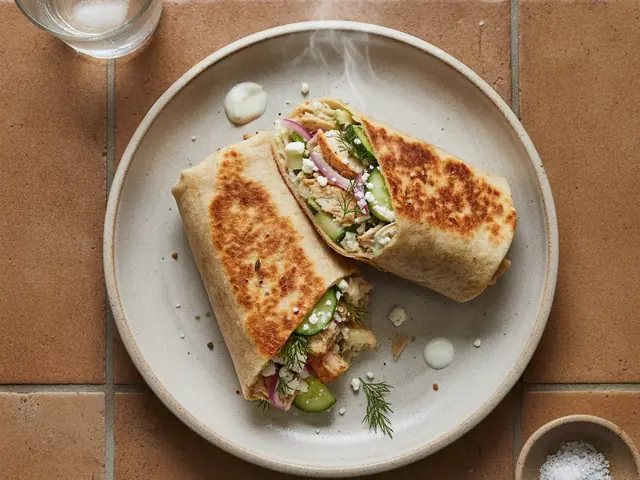
Greek Yoghurt Chicken Wrap
With chicken, cucumber and flatbread
15 min
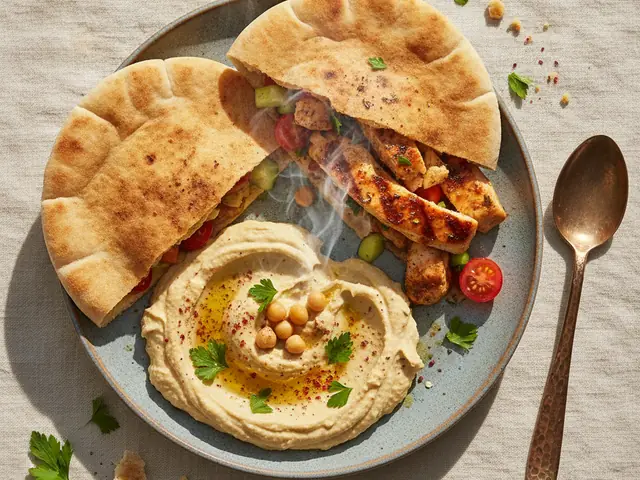
Chicken & Hummus Pita
With chicken, tomato and pita bread
15 min
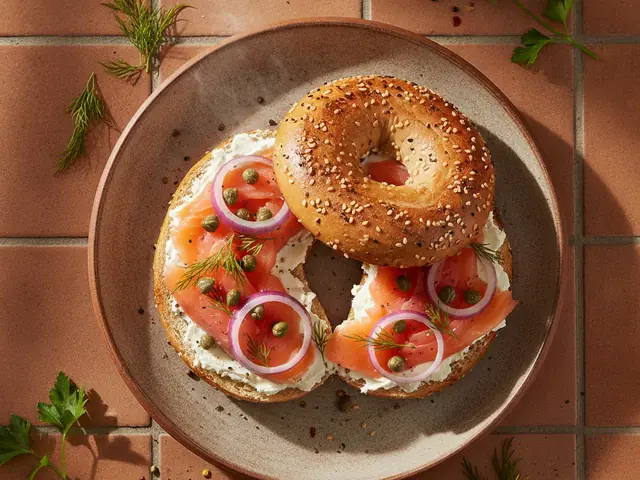
Smoked Salmon & Cream Cheese Bagel
With bagel, smoked salmon and cream cheese
15 min
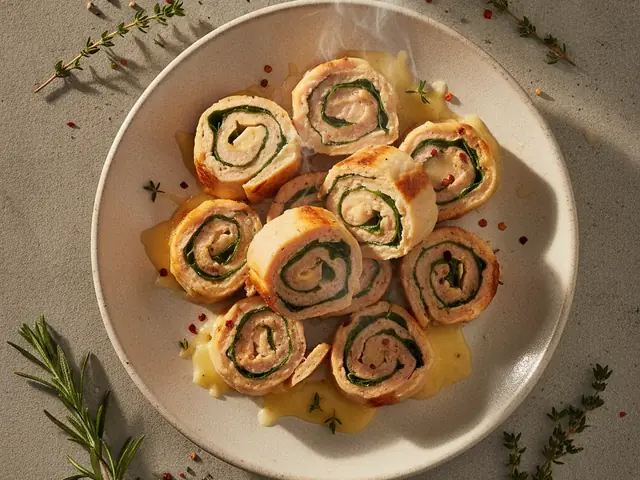
Turkey & Cheese Roll-ups
With cucumber, turkey breast and cheese
10 min
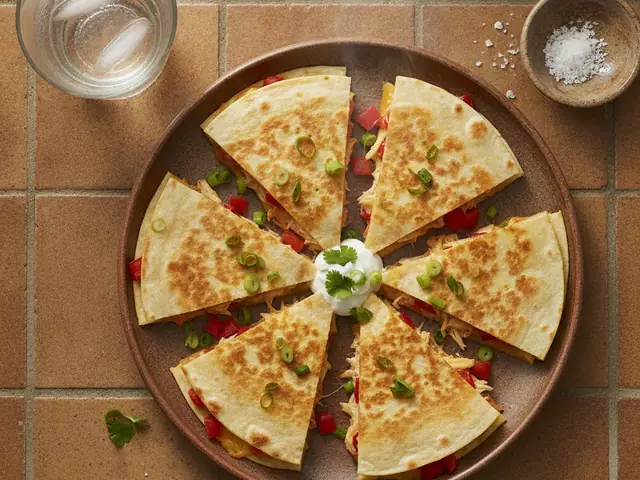
Chicken Quesadilla Wedges
With chicken, capsicum and tortillas
20 min
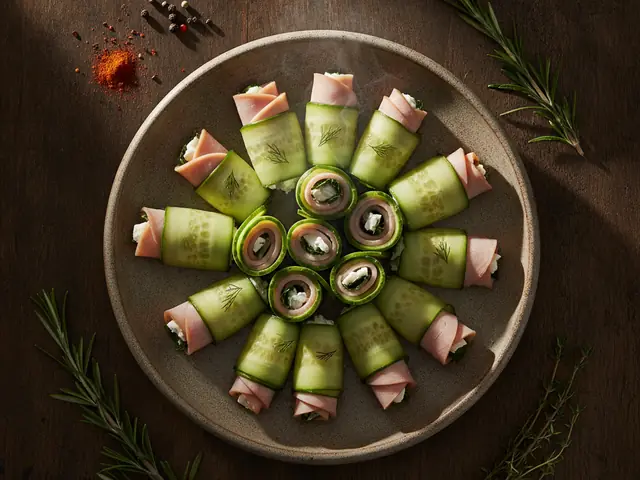
Cucumber & Turkey Roll-Ups
With cucumber, avocado and sliced turkey
15 min
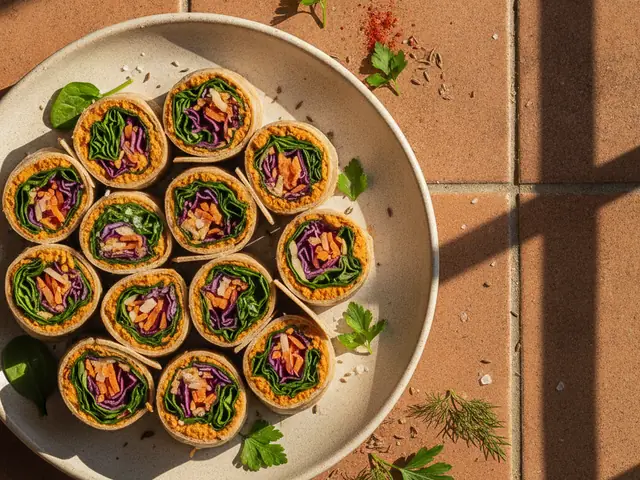 Vegan
Carrot Hummus Wrap Bites
With carrot, flatbread and hummus
10 min
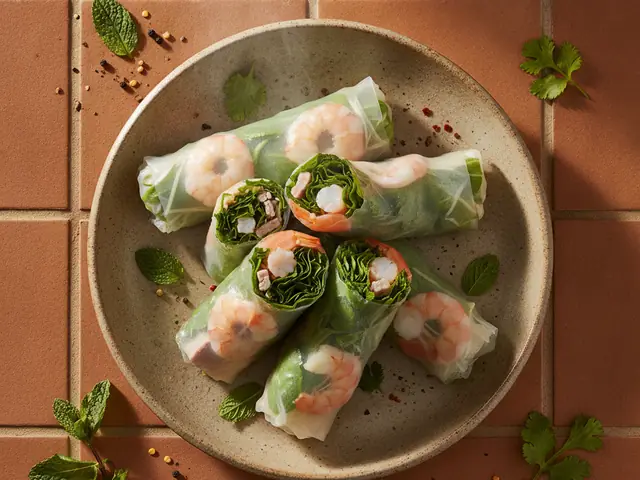 Vegan
Fresh Rice Paper Rolls with Herbs
With cucumber, carrot and rice paper
30 min
Bake on Sunday: fritters, frittata and muffins
Fritters, frittata, egg cups and a couple of biscuits. Bake a batch, keep it in the fridge and pack one or two a day. Use them within a few days.
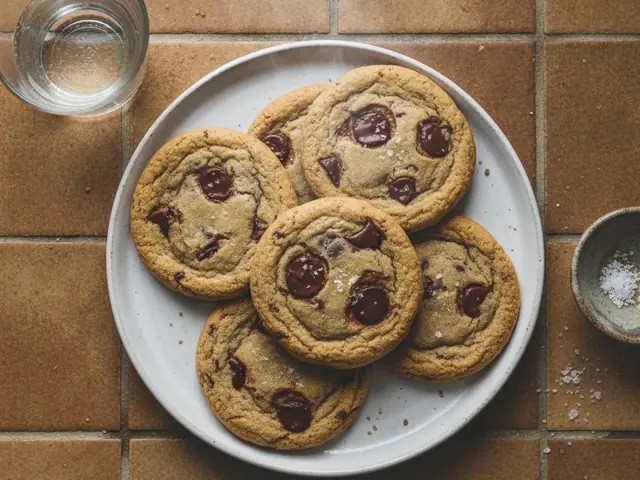 Vegetarian
Chocolate Chip Cookies
With plain flour, chocolate chips and brown sugar
25 min
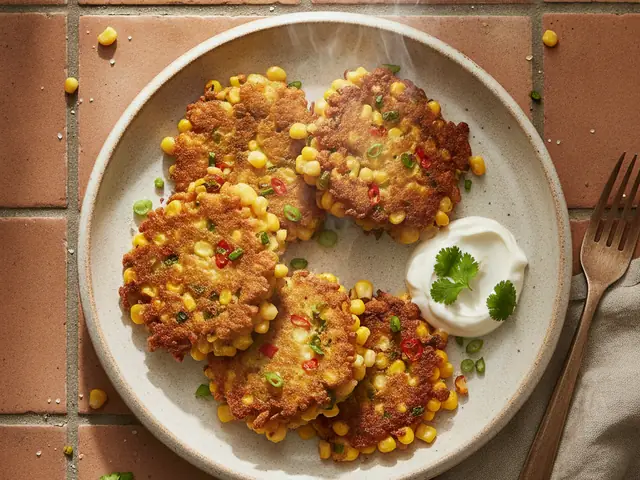 Vegan
Corn Fritters
With corn kernels, gluten-free flour and ground flaxseed
30 min
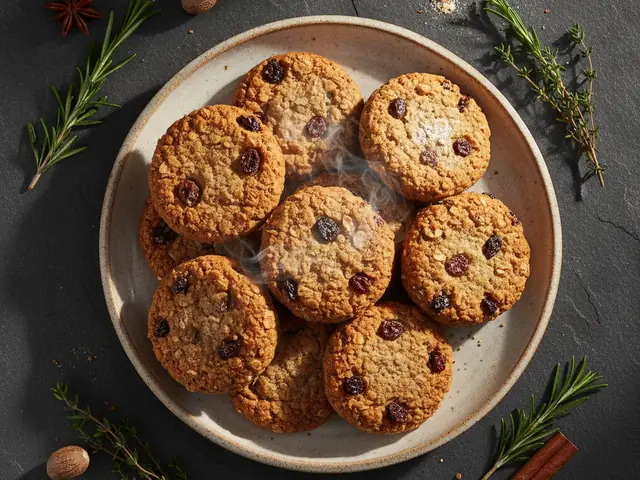 Vegetarian
Oat & Raisin Cookies
With plain flour, brown sugar and oats
25 min
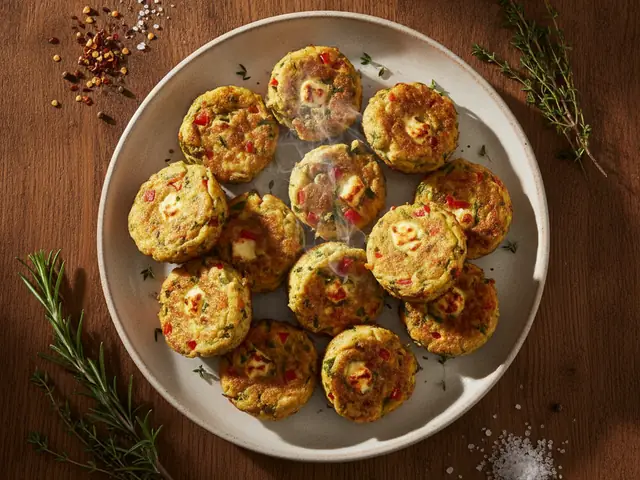 Vegetarian
Frittata Bites
With eggs, zucchini and cheese
30 min
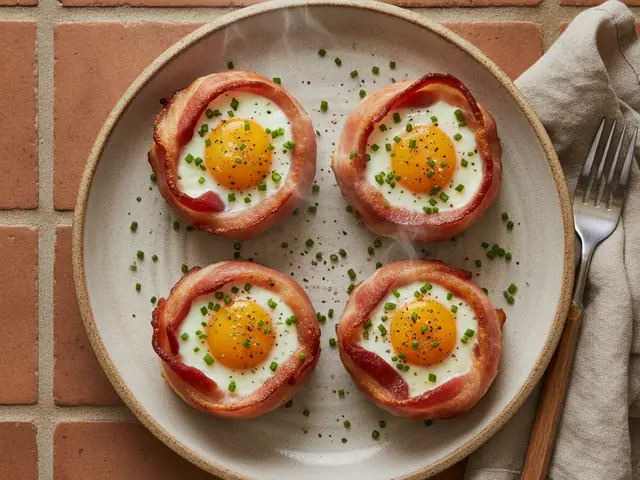
Bacon-Wrapped Egg Cups
With eggs, bacon and chives
30 min

Ham & Egg Breakfast Muffins
With eggs, capsicum and ham
30 min
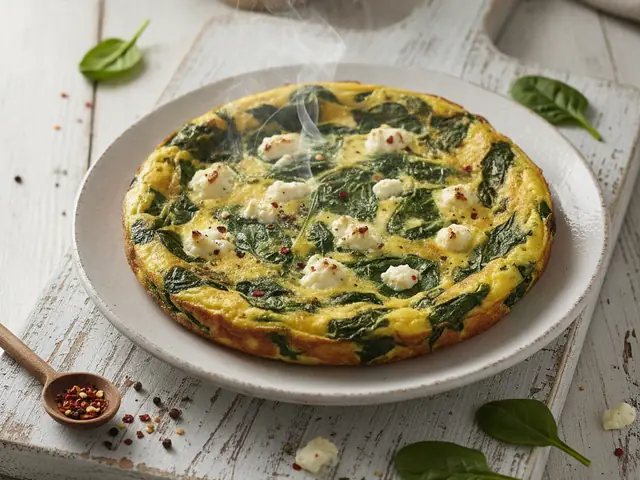
VegetarianEgg & Spinach Frittata
With eggs, cherry tomatoes and spinach
25 min
 Vegetarian
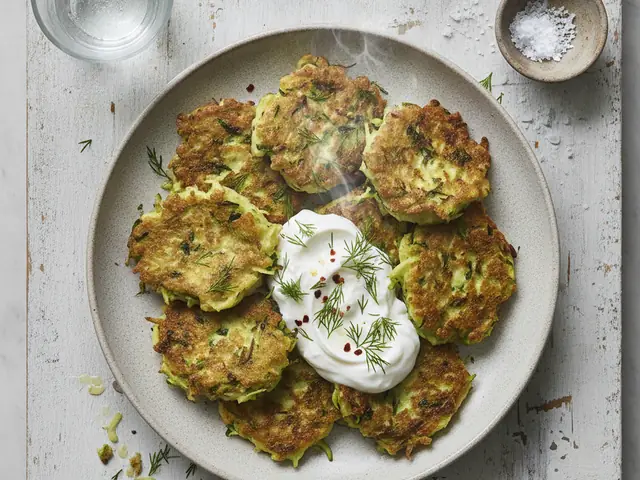
Zucchini Fritters with Yoghurt
With zucchini, eggs and plain flour
25 min
 Vegetarian
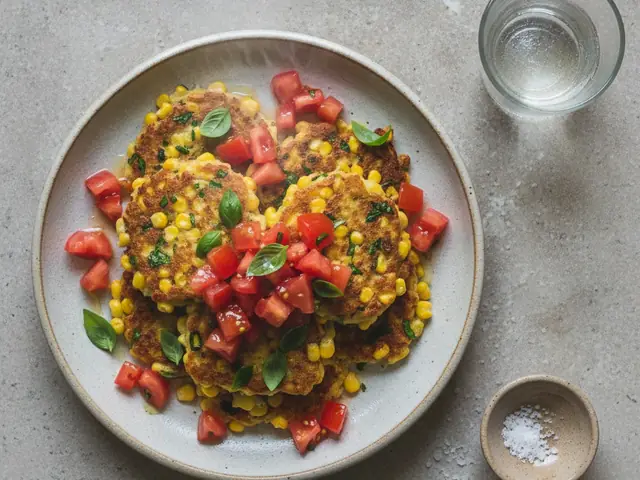
Corn Fritters with Tomato
With corn, cherry tomatoes and plain flour
30 min
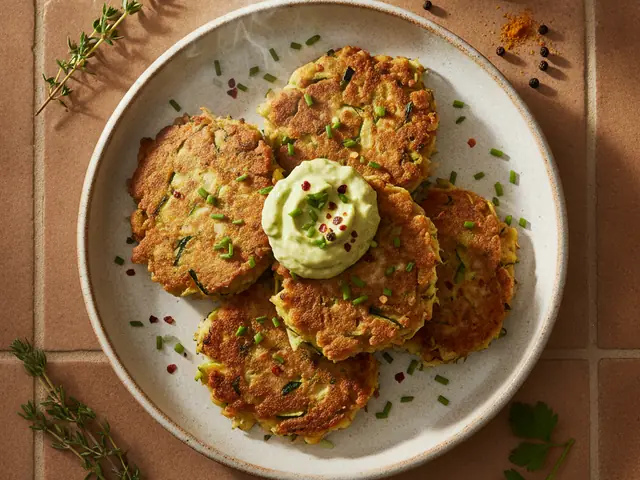
Pork & Zucchini Breakfast Fritters
With pork mince, zucchini and ground flaxseed
30 min
Snacks for recess
Crunchy and easy to eat: roasted chickpeas and seeds, veggie chips, skewers, eggs and edamame. Add a piece of fruit and a water bottle and recess is covered.
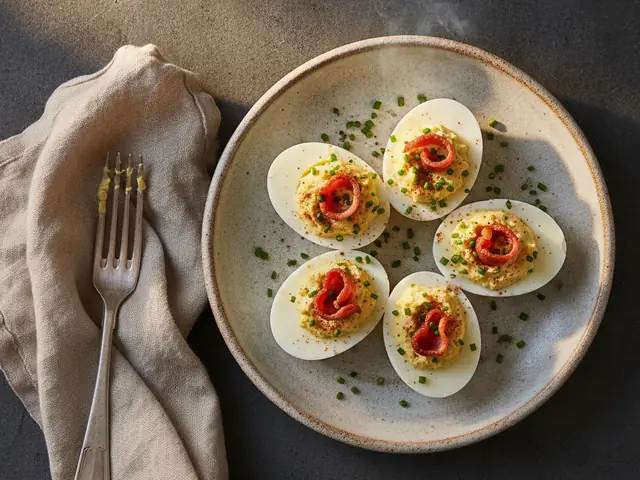 Vegetarian
Devilled Eggs
With eggs, mayonnaise and mustard
20 min
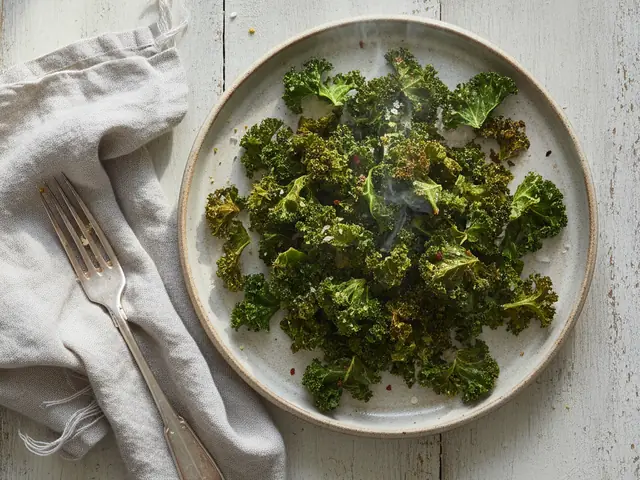 Vegan
Kale Chips
With kale
20 min
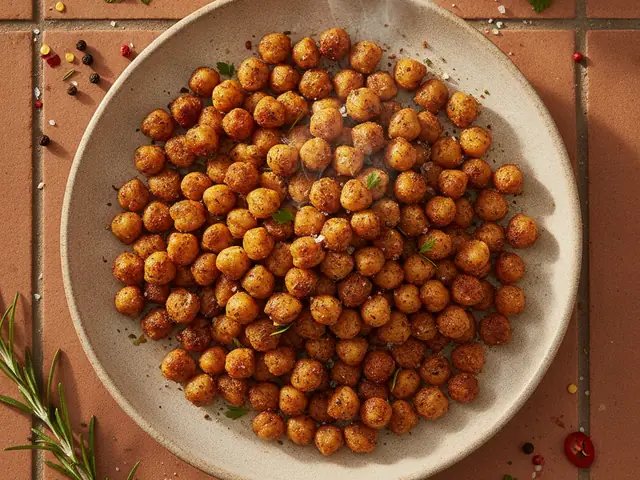 Vegan
Roasted Chickpeas
With chickpeas, paprika and cumin
35 min
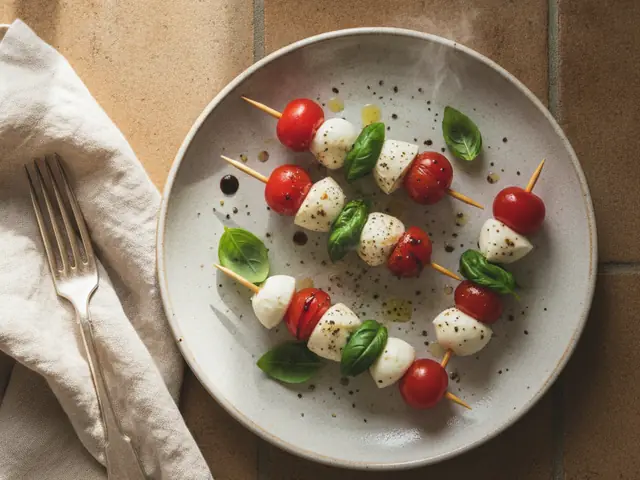 Vegetarian
Caprese Skewers
With cherry tomatoes, bocconcini and balsamic glaze
10 min
 Vegan
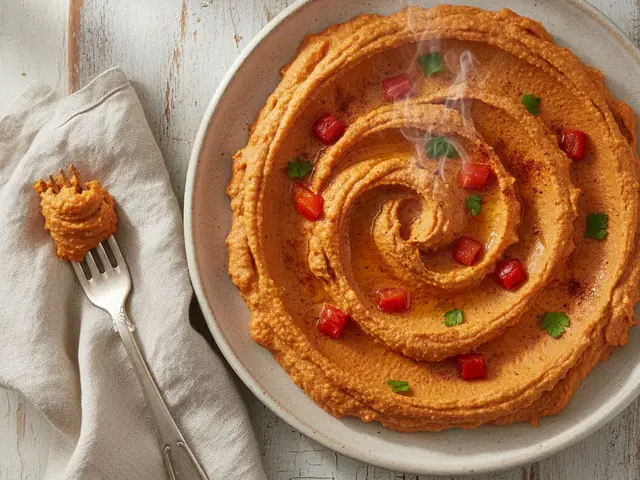
Roasted Red Pepper Hummus
With chickpeas, roasted capsicum and carrot
15 min
 Vegan
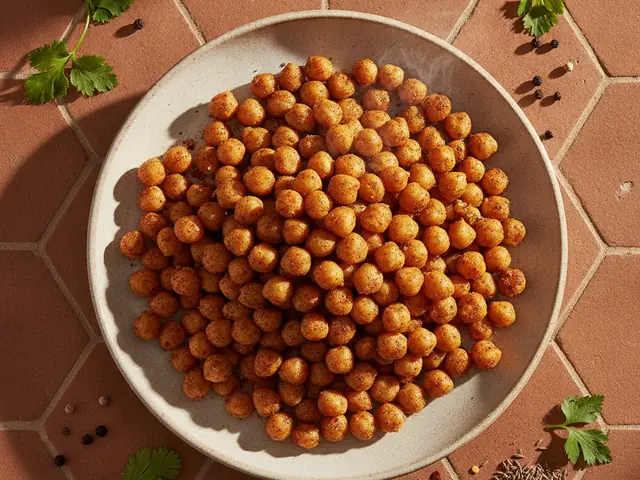
Spiced Roasted Chickpeas
With chickpeas, cumin and turmeric
30 min
 Vegan
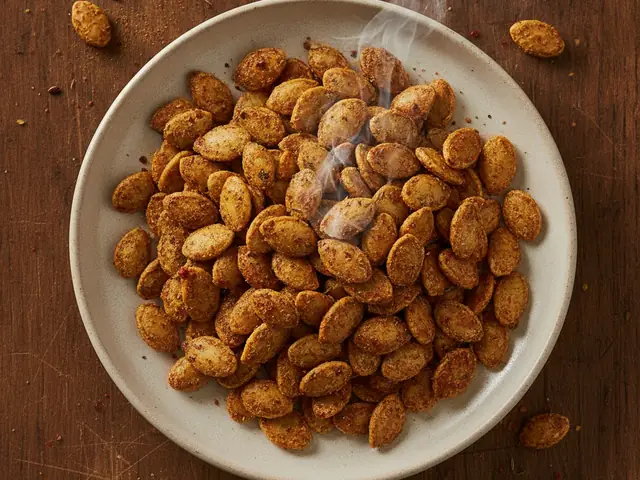
Spiced Roasted Pumpkin Seeds
With pumpkin seeds, paprika and cumin
30 min
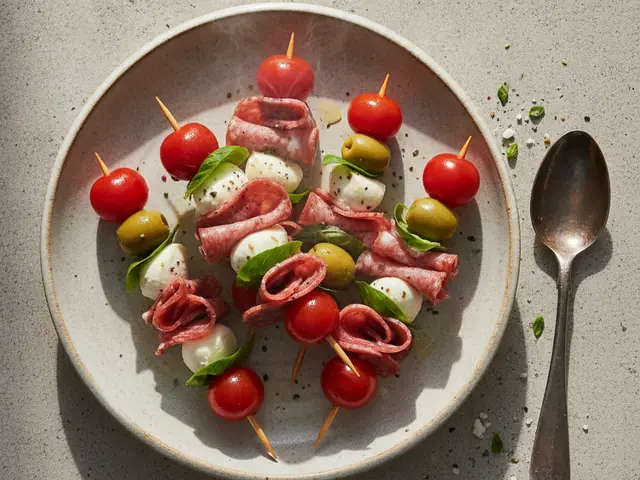
Antipasto Skewers
With salami, bocconcini and cherry tomatoes
15 min
 Vegan
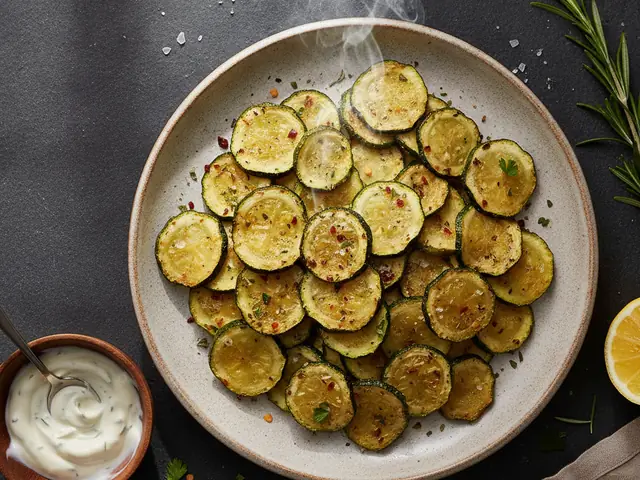
Baked Zucchini Chips
With zucchini and mixed herbs
45 min
 Vegan
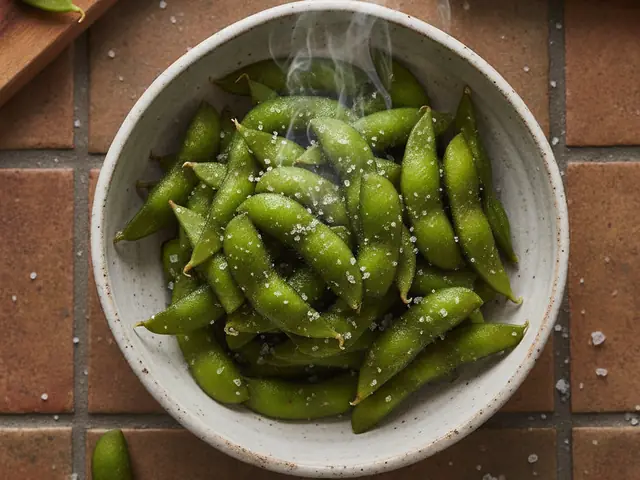
Edamame with Sea Salt
With edamame and sea salt
10 min
 Vegan
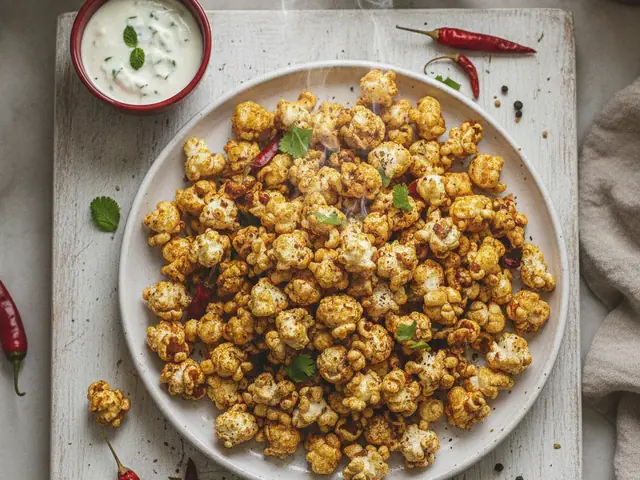
Masala Popcorn
With popcorn kernels, chaat masala and turmeric
15 min
 Vegan
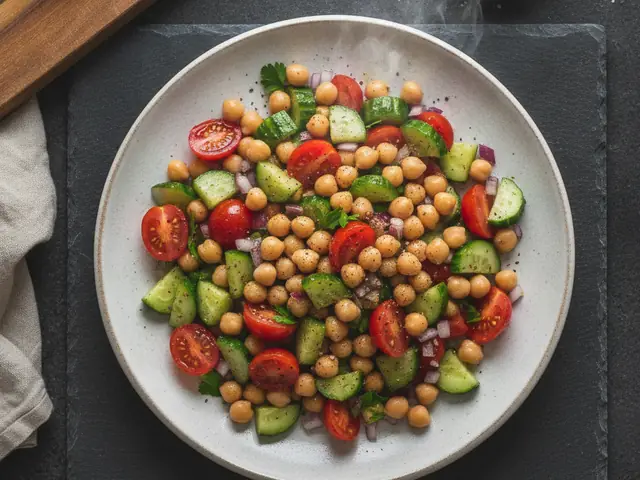
Tomato Cucumber Chickpea Salad
With chickpeas, tomato and cucumber
15 min
What goes in a healthy lunchbox
The Victorian Government's Better Health Channel lists six parts to a healthy lunchbox. Here's each one, with ideas from this page.
- Fruit: fresh or tinned fruit.
- Vegetables: crunchy vegetable sticks with hummus or another dip, or cherry tomatoes and cucumber.
- Milk, yoghurt or cheese: a tub of yoghurt, or cheese in a wrap or quesadilla.
- Meat or alternatives: chicken, turkey or ham in a wrap, an egg, or chickpeas and beans.
- Grain foods: a wrap, pita, roll or crackers, wholegrain where you can.
- A drink: tap water is best.
Keeping it cold, and hot
Use an insulated lunchbox, and pack a wrapped frozen water bottle or freezer brick next to anything that should stay cold: wraps with meat or cheese, eggs, yoghurt and dips. Better Health's advice is that perishable food should be eaten within about four hours of being made. For a hot lunch in an insulated food jar, heat the food until it's piping hot first: Food Standards Australia New Zealand's advice is to keep hot food above 60°C.
Nuts and allergies
Some schools have a nut-free policy, so nothing on this page lists nuts or nut products among its ingredients. Packaged ingredients can still contain them or be made alongside them, so check the labels on bread, wraps, crackers, dips and chocolate chips. If your child has a food allergy, follow the plan you've agreed with your doctor and the school.
How we picked these
Every dish is in the app, and none lists nuts or nut products (including pesto, muesli and nut butters) among its ingredients. Mains are wraps, rolls, pitas, quesadillas and rice paper rolls; the baking section is muffins, fritters, frittata and biscuits; snacks are skewers, roasted chickpeas and seeds, veggie chips, eggs, edamame, popcorn and dips. Within each section, dishes are ordered by how often Australians search Google for the recipe, then by name, so the familiar ones come first. A dish appears only once on the page. All 36 are from the 736 recipes in the PlanNplate app, and each has its own page with the method and a serves button that scales the quantities.
Energy and protein per serve
Worked out for 23 of the 36 dishes from Australian food composition data, for the recipe as written. The rest have no figures yet, because we couldn't work them out with confidence.
Show the table
| Dish | Energy | Protein |
|---|---|---|
| Antipasto Skewers | 802 kJ | 10.8 g |
| Bacon-Wrapped Egg Cups | 1,331 kJ | 22.1 g |
| Baked Zucchini Chips | 174 kJ | 0.6 g |
| Caprese Skewers | 447 kJ | 5.4 g |
| Chicken & Hummus Pita | 2,073 kJ | 45.1 g |
| Chicken Quesadilla Wedges | 1,738 kJ | 30.4 g |
| Corn Fritters | 769 kJ | 2.9 g |
| Corn Fritters with Tomato | 1,215 kJ | 9.5 g |
| Devilled Eggs | 714 kJ | 9.8 g |
| Egg & Spinach Frittata | 742 kJ | 14.4 g |
| Fresh Rice Paper Rolls with Herbs | 161 kJ | 1.2 g |
| Frittata Bites | 572 kJ | 9.7 g |
| Ham & Egg Breakfast Muffins | 1,038 kJ | 22.4 g |
| Kale Chips | 335 kJ | 2.5 g |
| Oat & Raisin Cookies | 823 kJ | 2.8 g |
| Pork & Zucchini Breakfast Fritters | 1,150 kJ | 22.7 g |
| Roasted Chickpeas | 612 kJ | 6.4 g |
| Smoked Salmon & Cream Cheese Bagel | 2,262 kJ | 30 g |
| Spiced Roasted Chickpeas | 617 kJ | 6.4 g |
| Spiced Roasted Pumpkin Seeds | 781 kJ | 9.9 g |
| Tomato Cucumber Chickpea Salad | 768 kJ | 7.5 g |
| Turkey & Cheese Roll-ups | 1,268 kJ | 25.4 g |
| Zucchini Fritters with Yoghurt | 922 kJ | 9.5 g |
Questions
What should I put in my child's lunchbox?
Something from each food group: fruit, vegetables, milk, yoghurt or cheese, meat or an alternative such as egg or beans, a grain food such as a wrap or crackers, and water to drink. That's the Better Health Channel's six-part guide.
How do I keep a school lunch cold?
Use an insulated lunchbox and pack a wrapped frozen water bottle or freezer brick next to the food that needs to stay cold. Perishable food should be eaten within about four hours of being made.
Are these lunchbox ideas nut-free?
None of the 36 recipes lists nuts or nut products among its ingredients. Packaged foods such as bread, crackers, dips and chocolate chips can contain traces, so check the labels against your school's policy and your child's allergies.
When does the school year start in Australia?
Term 1 starts in late January or early February, depending on the state or territory. Your state's education department publishes the exact dates.
Sources
- Healthy eating – school lunches, Better Health Channel, Victorian Department of Health (the six parts of a healthy lunchbox, keeping it cold, and nut-free school policies)
- Food safety basics, Food Standards Australia New Zealand (keeping hot food above 60°C)
- Australian Food Composition Database – Release 3, Food Standards Australia New Zealand, CC BY 4.0 (energy and nutrients per 100 g of each ingredient)
- AUSNUT 2023 – Food measures, Food Standards Australia New Zealand, CC BY 4.0 (the weight of a medium onion, a lemon, an egg and other counted ingredients)
How we turn these sources into the numbers on this page: how we calculate.